Just imagine having objects that softly illuminate your surroundings when the lights go out. Glow in the dark materials, like strontium aluminate, allow you to enjoy this fascinating effect by absorbing light energy and releasing it over time. You can find these products in everyday items, making your environment safer and more visually appealing. In this article, you’ll learn how glow in the dark works, what makes it glow for hours, and the best ways to keep it charged for your needs.
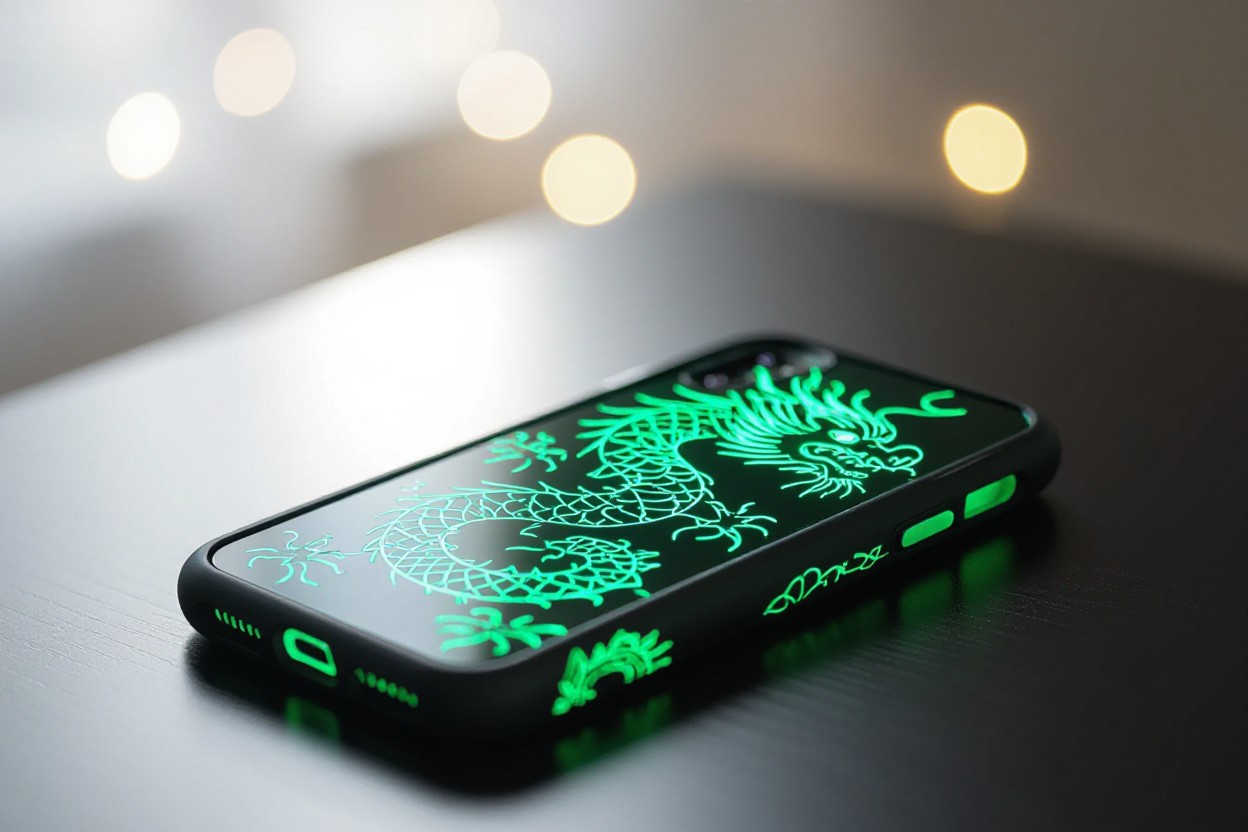
The Magic Behind Glow in the Dark: Strontium Aluminate Glow in the dark products continue to captivate people of all ages, illuminating everything from toys and clothing to safety signs and emergency pathways. At the heart of these glowing wonders lies a remarkable material called strontium aluminate, a phosphorescent compound known for its impressive brightness and longevity.
### What is Strontium Aluminate?
Strontium aluminate is a non-toxic, non-radioactive inorganic compound commonly used as a phosphorescent pigment. Its unique ability to absorb and store energy from surrounding light sources and then release it slowly over time makes it the ideal substance for glow in the dark applications. Unlike older glow materials such as zinc sulfide, strontium aluminate provides a much brighter and longer-lasting glow.
### How is Strontium Aluminate Made?
Strontium aluminate pigments are typically produced by combining strontium oxide, aluminum oxide, and dopants such as europium and dysprosium. These dopants serve as activators that facilitate the glowing effect by creating energy traps in the material’s crystal lattice. The raw materials are mixed and subjected to high-temperature solid-state reactions to form the strontium aluminate phosphor, which is then ground into a fine powder suitable for incorporation into paints, plastics, or coatings.
### How Does It Work?
When exposed to light, strontium aluminate absorbs photons and stores this energy in its crystal structure. Once the ambient light source is removed, the material gradually releases this stored energy in the form of visible light. This process, called phosphorescence, allows glow in the dark products to shine brightly for several hours, gradually dimming until fully dark again and ready for another charge.
### Best Light Sources for Charging Rechargeability depends on exposure to proper light sources: – Sunlight: The most effective natural light source for quick and thorough charging. – Fluorescent Lamps: Commonly found indoors, these lamps provide enough energy for decent glow intensity. – LED Lights: Bright LEDs with a broad spectrum can also charge strontium aluminate efficiently. – Incandescent Bulbs: While usable, they are less effective compared to the above sources due to lower UV emission. Generally, the more intense and broader the light spectrum, the better and faster the phosphor charges.
### Applications in Safety and Entertainment Strontium aluminate’s glow properties make it an important material for both safety and fun: – Safety: It is widely used in emergency exit signs, pathway markers, and safety gear to provide visibility in power outages or low-light conditions. Its long glow duration can be critical for guiding people to safety. – Entertainment: Glow in the dark toys, decals, and costume accessories utilize this material to delight children and adults alike. It’s also popular in novelty items like fishing lures and watch dials. ### Examples of Use – Glow in the dark stars and wall decals for bedrooms – Emergency exit signs in commercial buildings – Safety apparel and footwear – Sports equipment and accessories – Glow powders for crafting and art projects ### Safety Note Strontium aluminate is safe for everyday use and poses no radiation hazard. Unlike some older luminescent materials, it does not contain radioactive elements, making it a responsible and environmentally friendly choice for glow in the dark products. —
Key Takeaways:
- Strontium aluminate is a safe, non-radioactive phosphorescent material used to create long-lasting glow in the dark effects.
- It works by absorbing ambient light energy and releasing it slowly as visible light for hours after the light source is removed.
- Sunlight and broad-spectrum light sources like fluorescent and LED lights provide the best charging for maximum glow.
- Common uses include safety markers, emergency signs, glow toys, and decorative items.
- Its brightness and longevity surpass older glow materials, making it ideal for both practical safety and entertainment applications.
The Science of Strontium Aluminate
Strontium aluminate serves as a remarkable phosphorescent material, capable of storing ambient light and re-emitting it in darkness. Its unique crystal structure allows it to trap and slowly release energy, enabling glow durations that can last for several hours. Unlike older glow materials, it is non-radioactive and safe for everyday use, making it ideal for various applications where prolonged luminosity is desired without harmful effects.
Exceptional Luminescent Properties
You will find that strontium aluminate’s glow intensity surpasses traditional phosphors like zinc sulfide, often shining up to ten times brighter and lasting two to twelve hours depending on the charge. Its ability to recharge quickly under a broad range of light sources—especially UV and LED lights—means your glow in the dark items regain their brilliance swiftly, offering reliable visibility well into the night.
The Chemistry and Production Process
The production of strontium aluminate involves high-temperature solid-state reactions, where strontium carbonate, aluminum oxide, and rare earth activators such as europium and dysprosium are combined. This process creates a crystalline matrix that effectively traps electrons excited by light energy, slowly releasing them over time to generate a steady afterglow. Control over doping levels and firing temperatures ensures consistency in brightness and duration across various products.
During manufacturing, powdered raw materials are carefully proportioned and heated to temperatures around 1300°C to form a pure strontium aluminate phase. Europium ions act as luminescence centers by capturing light energy, while dysprosium ions help stabilize the trapped electrons, extending the glow time. The resulting phosphor powder is then ground and incorporated into paints, plastics, or coatings, enabling its widespread use in glow in the dark items from emergency signage to decorative objects.
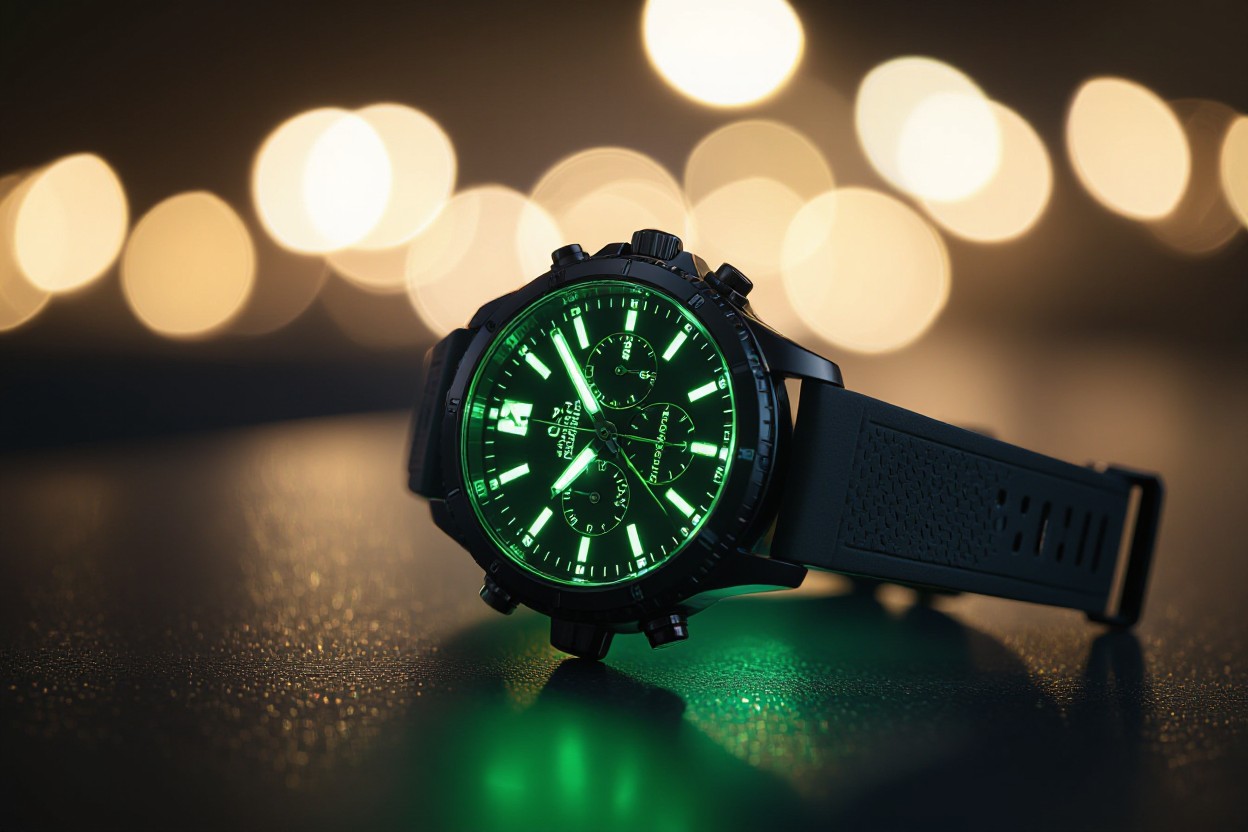
Harnessing Light: Mechanisms of Glow
Strontium aluminate’s ability to glow in the dark hinges on its unique interaction with light. As you expose the material to ambient lighting, it absorbs and traps energy at the atomic level. After the lights go off, this stored energy is slowly released in the form of visible light, allowing the glow to persist for hours. This process, known as phosphorescence, differs from fluorescence by continuing long after the excitation source is removed, giving you that captivating, sustained glow.
How Strontium Aluminate Absorbs and Emits Light
Strontium aluminate contains electrons that become energized when exposed to light, primarily in the UV and visible spectrum. These excited electrons are trapped in defects within the crystalline lattice, creating a sort of “energy reservoir.” As the electrons gradually return to their original state, they release photons, producing a glowing effect. This slow release can last anywhere from 6 to 12 hours, depending on the formulation, allowing your products to emit a bright, lasting glow after only a few minutes of exposure.
Optimal Light Sources for Maximum Glow Charge
UV light stands out as the most effective way to charge strontium aluminate, quickly energizing electrons for a vibrant glow. Shortwave UV lamps, black lights, and even natural sunlight deliver ample energy to fully activate the material. Fluorescent and LED lights also work well but often require longer exposure times to reach peak brightness. Your glow-in-the-dark items will shine strongest right after exposure to these light sources, especially when charged for 10–15 minutes or more.
Sunlight contains a significant amount of ultraviolet radiation, making it one of the fastest and most reliable sources to charge strontium aluminate. In particular, midday sun can fully energize glow pigments within minutes, resulting in intense afterglow. Black lights emitting longwave UV-A light also provide efficient charging without the intensity of sunlight, allowing safe and controlled exposure indoors. LEDs, especially those with a blue spectrum output, have gained popularity for charging in home or commercial environments, though their energy intensity is lower, typically necessitating longer exposure times. Understanding which light sources to use helps you optimize the brightness and duration of your glow-in-the-dark items for the best visual impact.

Brightening Safety: The Role of Glow-in-the-Dark Technology
Strontium aluminate’s ability to emit a bright, long-lasting glow after exposure to light makes it invaluable for enhancing safety in low-light environments. By absorbing ambient light—especially from sunlight, LED, or fluorescent sources—it charges quickly and glows for hours without any electrical power. This dependable glow guides you through darkness, helping prevent accidents and ensuring clear visibility when you need it most, all while being entirely non-radioactive and safe for everyday use.
Applications in Emergency Signage and Visibility
You’ll often find strontium aluminate in emergency exit signs, stairway markers, and pathway indicators, where reliable nighttime visibility is vital. Its glow remains visible well into the night, even during power outages, giving you clear and immediate guidance to safety. Airports, hospitals, and public buildings routinely use these luminous markers, benefiting from their strong, consistent glow backed by the material’s safety and durability.
Everyday Use: Home and Work Safety
Strontium aluminate products such as glow-in-the-dark tape, light switches, and stair decals provide subtle but effective illumination around your living and work spaces. These items help reduce trips and falls by highlighting important areas or hazards after lights go out, all without having to search for a flashlight. Their ease of application and long glow times make them practical safety additions you can rely on night after night.
Beyond simple hazard marking, glow-in-the-dark materials also enhance safety by being integrated into personal items like keychains and wristbands, making it easier for you to find crucials in dark environments. Studies show that paths lined with strontium aluminate markers lower nighttime accidents significantly in workplaces such as warehouses and factories. Plus, since the material is non-toxic and non-radioactive, you can install it confidently in any setting without health concerns.
Glow for Fun: Entertainment and Aesthetics
Strontium aluminate’s bright and long-lasting glow lends itself perfectly to a variety of entertainment and aesthetic applications. You’ll find it enhances everything from themed décor to night-time events, adding a magical, luminous touch that captivates attention. Its vibrant glow lasts for hours after exposure to light, making it ideal for creating visually stunning effects without electricity or batteries, ensuring an eco-friendly and maintenance-free solution for fun and ambiance.
Creative Uses in Art and Design
Artists and designers incorporate strontium aluminate into paints, inks, and powders to create mesmerizing glow-in-the-dark murals, sculptures, and fashion pieces. Your next project can literally come to life after dark with this material, offering dynamic visual surprises. Its non-toxic nature means it’s safe to apply in studios and public spaces, while its ability to absorb ambient light from LED or natural sunlight ensures bold visibility in low-light conditions.
Popularity in Toys and Recreational Products
The toy industry widely embraces strontium aluminate for glow-in-the-dark toys, puzzles, and wearable accessories. Glow sticks, action figures, stickers, and sports equipment enhanced with this compound provide hours of entertainment and engagement, especially in dim environments. Because it’s non-radioactive and safe, both parents and manufacturers prefer it over older phosphorescent materials, bringing peace of mind alongside the fun.
Beyond simple toys, glow-in-the-dark elements powered by strontium aluminate appear in items such as camping gear, glow-in-the-night frisbees, and children’s educational kits. Its extended glow duration, often exceeding 12 hours after only a few minutes of charging under sunlight or strong indoor lighting, keeps young users enchanted well into the evening. Its robust performance even improves outdoor nighttime play and indoor creativity, making it a favorite choice for product innovation in recreation.
Safe Glow: Demystifying Radioactivity Concerns
Strontium aluminate, the key ingredient in many glow in the dark products, is entirely safe and non-radioactive. Unlike older luminescent materials that relied on radioactive substances, this modern phosphorescent compound emits light through energy absorption and release without any hazardous emissions. You can confidently use strontium aluminate-based items in your home, workplace, or outdoor activities without worrying about exposure to harmful radiation.
Non-Toxic Nature of Strontium Aluminate
The chemical composition of strontium aluminate ensures it poses no toxicity risks during everyday use. It’s chemically stable and inert, meaning it won’t leach harmful substances or cause allergic reactions on skin contact. Manufacturers often combine it with safe binders and coatings, making glow in the dark products safe to handle, wear, or keep in your living spaces.
Regulatory Standards for Consumer Safety
Strontium aluminate-based products comply with strict safety regulations worldwide, including ASTM and EN standards for luminescent materials. These guidelines ensure you receive products tested for durability, non-toxicity, and environmental safety, meeting the needs of both consumers and industries using them for safety signage or decorative purposes.
Regulatory bodies such as the U.S. Consumer Product Safety Commission and the European Chemicals Agency oversee materials like strontium aluminate to verify their safety profiles. These standards focus on chemical stability, absence of heavy metals, and resistance to degradation under normal use, ensuring that glowing products on the market meet rigorous health and environmental criteria. This oversight supports your confidence in glow in the dark items, whether they illuminate emergency exits or add a creative touch to your personal belongings.
Conclusion
With this in mind, you can see how strontium aluminate offers a reliable and safe way to enjoy glow in the dark products. Whether you use them for enhancing safety or adding fun to your environment, these materials provide hours of bright, long-lasting glow after exposure to light. By understanding their properties and the best methods to charge them, you can make informed choices about integrating glow in the dark features into your everyday life or projects. Strontium Aluminate:
The Science Behind Glow in the Dark Products Glow in the dark products captivate people of all ages, illuminating the night with a soft, enchanting light. At the heart of many of these products lies a remarkable material known as strontium aluminate. This inorganic compound has transformed the glow in the dark industry due to its impressive brightness and long-lasting luminescence.
Let’s explore what makes strontium aluminate so special, how it’s made, how it works, and its common applications.
### Properties of Strontium Aluminate Strontium aluminate is a phosphorescent pigment known for its ability to absorb and store light energy, then release it slowly over time. Compared to traditional zinc sulfide-based phosphors, strontium aluminate is far brighter and glows for many hours, sometimes up to 10-12 hours after exposure to light. It typically comes in green, blue, and aqua hues, with the green glow being the brightest and longest-lasting.
Other key properties include: – High brightness and durability – Long afterglow duration – Non-toxic and non-radioactive – Stability under various environmental conditions ###
How Strontium Aluminate is Made
Strontium aluminate pigments are produced through a high-temperature solid-state reaction. In this process, raw materials such as strontium carbonate (SrCO3), aluminum oxide (Al2O3), and activators like europium and dysprosium are mixed and heated to temperatures above 1300°C (2372°F). The europium ions serve as the primary luminescence centers, while dysprosium helps to extend the afterglow duration by trapping electrons. After cooling, the resulting crystalline product is ground into a fine powder. This powder is then incorporated into various media such as plastics, paints, or coatings to create glow in the dark products. ###
How It Works:
Absorbing Light and Glowing in the Dark Strontium aluminate works through a process called phosphorescence. When exposed to a light source—whether sunlight, LED, or fluorescent light—photons excite the electrons in the europium dopants embedded in the strontium aluminate crystal. These excited electrons move to higher energy states and are trapped by dysprosium ions. Once the light source is removed, the trapped electrons gradually return to their normal state, releasing the stored energy as visible light over an extended period. This slow release of energy is why strontium aluminate glow lasts for hours after the lights go out.
### Best Light Sources for Charging Strontium Aluminate
To achieve the most vivid and long-lasting glow, strontium aluminate should be charged with bright, high-energy light sources: – Sunlight: The most effective and natural charger due to its broad spectrum and intensity. – UV Light: Ultraviolet lamps or black lights are highly efficient at exciting the phosphorescent material. – LED Lights: White or blue LEDs also work well to energize the pigment quickly. – Fluorescent Lights: These can charge the pigment but usually require longer exposure compared to sunlight or UV light. For optimal glow, a few minutes under these sources can charge the pigment to glow throughout the night.
### Applications in Safety and Entertainment Strontium aluminate’s durable and reliable luminescence makes it highly valuable in both safety and entertainment markets.
Safety Uses: – Emergency exit signs and pathway markings – Fire exit stickers and labels – Bicycle and vehicle decals for nighttime visibility – Safety gear and protective clothing Entertainment and Decorative Uses: – Glow in the dark toys and stickers – Jewelry and fashion accessories – Wall paints and murals for children’s rooms – Novelty items, party favors, and festivals
By providing illumination without electricity, strontium aluminate helps improve safety during power outages and enhances fun and creativity in everyday products.
### Examples of Usage – Exit signs that glow for hours without needing a power source – Glow powders mixed into paints for starry ceiling decorations – Bicycle reflectors that shine even after sunset – Glow-in-the-dark party decorations and toys that delight children ### Safety and Environmental Considerations Importantly, strontium aluminate products are safe for normal, everyday use.
The material is non-toxic and non-radioactive, unlike some earlier phosphorescent materials that relied on radioactive elements. Its stability and inert nature make it environmentally friendly and suitable for use in consumer products without health risks. —
FAQ
Q: How long does strontium aluminate glow after being charged?
A: Strontium aluminate can glow for 8 to 12 hours after being exposed to a suitable light source, with the brightness gradually fading over time.
Q: Is strontium aluminate safe to use in household products?
A: Yes, strontium aluminate is non-toxic and non-radioactive, making it safe for typical use in household and commercial products.
Q: What is the best way to charge glow in the dark products made from strontium aluminate?
A: The best charging sources are sunlight and UV lights, followed by LED and fluorescent lighting. A few minutes of exposure is generally sufficient for a bright, long-lasting glow.
Q: Can strontium aluminate glow in any color?
A: Strontium aluminate primarily glows in green, blue, or aqua. The green variant is the brightest and lasts the longest, while other colors provide different aesthetic options.
Q: How is strontium aluminate different from traditional glow in the dark materials?
A: Unlike older materials such as zinc sulfide, strontium aluminate glows much brighter and for a far longer time. It is also more stable and environmentally friendly.